

A brand guideline can be beautifully designed, perfectly organized, and still fail the moment it leaves the presentation room.
We see it often.
The identity is approved. The guideline is delivered. Everyone is happy with the logo, colors, typography, photography direction, and applications.
Then six months later, the social media looks like one brand, presentations look like another, event materials introduce a third visual language, and every external supplier interprets the identity differently.
The problem is not always the identity.
Sometimes, the problem is that the brand was documented — but never built as a system.
Guidelines tell you what the brand is. A system helps people use it.
Traditional brand guidelines are important. They protect consistency and establish the basic rules.
But brands today operate in far more places than they did a few years ago.
A brand may need to work across social media, film, presentations, events, digital products, internal communication, motion, photography, AI-generated content, and dozens of day-to-day applications.
A logo clear-space rule cannot answer all of those questions.
Teams need to know how the brand behaves.
How does it move? How does it speak? What does a presentation look like when there are 60 slides instead of six? How does the visual language adapt to a campaign without becoming another identity? What kind of AI-generated imagery belongs to the brand — and what clearly does not?
That is where the system begins.
The real test starts after launch.
A new identity usually looks its best on launch day.
The harder question is what it looks like after 200 pieces of content, five agencies, three departments, multiple campaigns, and a year of daily use.
Strong brands survive repetition.
They give teams enough structure to remain recognizable, but enough flexibility to keep creating.
Too much freedom and the brand fragments.
Too many rules and it becomes repetitive.
The system has to manage both.
The people using the brand matter as much as the designers who created it.
One mistake is designing guidelines for designers.
In reality, brands are used by marketing teams, HR, sales, leadership, event companies, production houses, social media teams, presentation designers, and sometimes hundreds of employees.
If the system only makes sense to the agency that created it, it is not finished.
A good brand system should make good decisions easier for everyone.
Templates help. Examples help. Motion principles help. Clear content rules help.
And sometimes showing what not to do is as useful as showing the perfect application.
AI makes this more important, not less.
Teams can now produce visual content faster than ever.
That is useful, but speed also makes inconsistency easier.
When hundreds of images, layouts, videos, and concepts can be created quickly, brands need stronger creative boundaries.
AI does not remove the need for brand systems.
It increases it.
The question is no longer only whether an image looks good.
The question is whether it looks like your brand.
A brand should be able to grow without being redesigned every year.
The best identity systems are not built for one launch campaign.
They are built for what comes next.
New products. New markets. New campaigns. New channels. New technology. New teams.
The brand should be able to absorb change without losing itself.
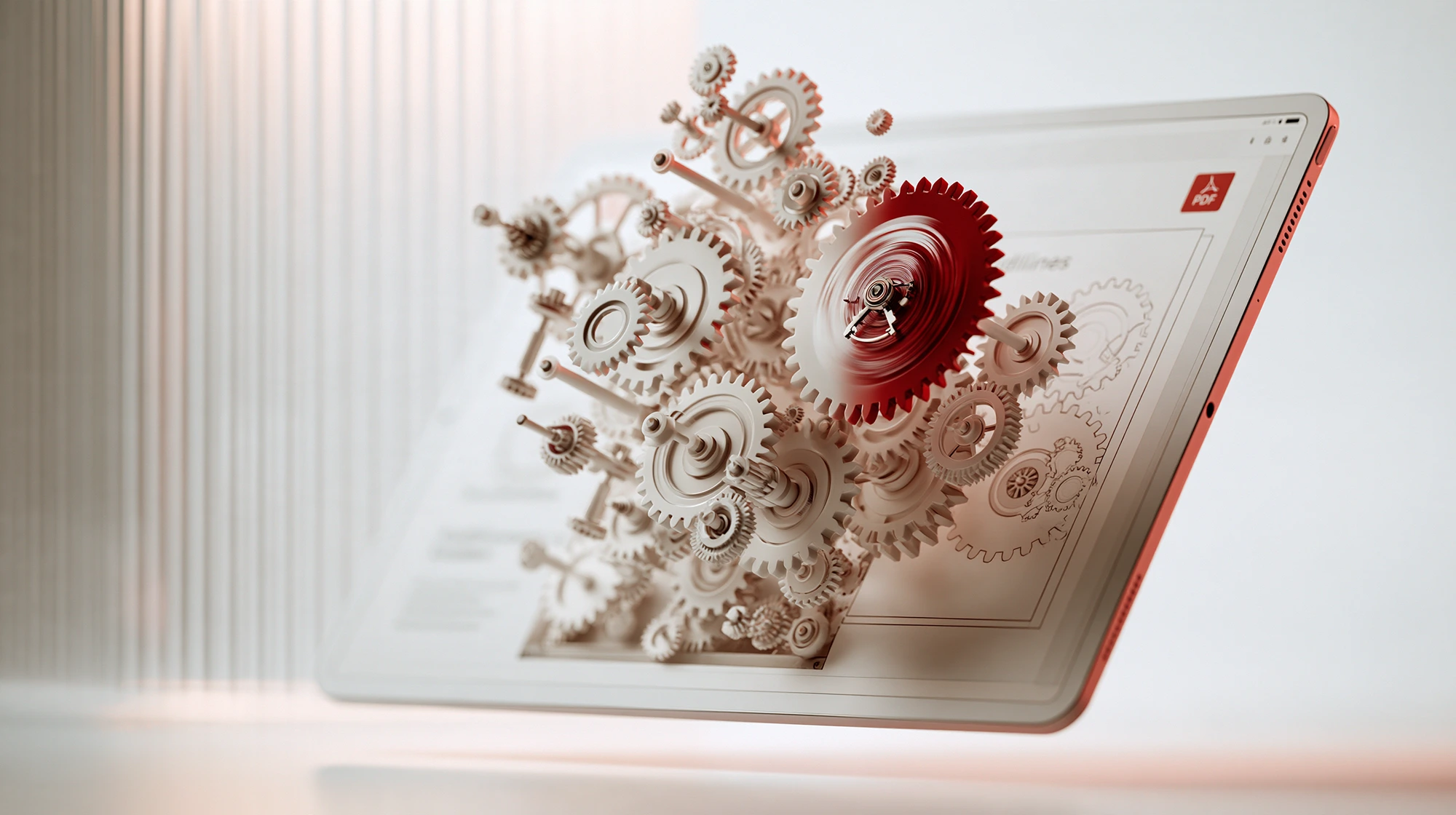
That is why, for us at Fiftyfive, the final output of a branding project should never simply be a PDF explaining the rules.
The real output is a system people can actually use.
Because a guideline can protect a logo.
A brand system protects the brand.